Save big on top supplements!
The Truth About BCAAs: Are They Worth It?
Learn what BCAAs are, their benefits, whether they help build muscle, and if they're worth buying compared to protein powder.
Christopher Allen
7/20/20262 min read
The Truth About BCAAs: Are They Worth It?
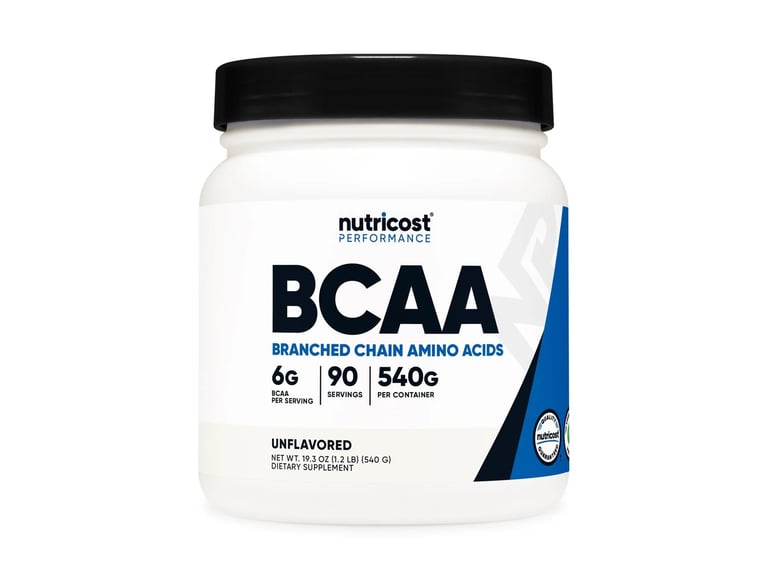
Walk into any supplement store, and you'll likely see shelves filled with colorful tubs of BCAAs claiming to improve muscle growth, recovery, and endurance. But with so many high-quality protein powders available today, are BCAAs still worth buying?
The short answer: It depends on your diet and fitness goals.
Let's break down what BCAAs are, what the research says, and who can actually benefit from them.
What Are BCAAs?
BCAAs, or branched-chain amino acids, are three essential amino acids:
Leucine
Isoleucine
Valine
These amino acids are called "essential" because your body can't produce them—you must get them from food or supplements.
Leucine is especially important because it plays a major role in stimulating muscle protein synthesis, the process your body uses to repair and build muscle after exercise.
What Are the Benefits of BCAAs?
BCAA supplements may offer several benefits, including:
Support Muscle Recovery
Some studies suggest BCAAs may reduce muscle soreness after intense workouts, helping you recover more comfortably.
Help Reduce Muscle Breakdown
During long or intense exercise, BCAAs may help decrease muscle protein breakdown, especially if you're training while eating fewer calories.
May Reduce Fatigue
BCAAs may help delay mental fatigue during prolonged exercise, although the effect is generally modest.
Do BCAAs Build Muscle?
Here's where many people get confused.
BCAAs alone don't build muscle as effectively as complete protein.
While leucine helps trigger muscle protein synthesis, your body still needs all nine essential amino acids to fully repair and grow muscle tissue.
That's why foods like chicken, eggs, fish, dairy, and whey protein are generally better choices for muscle growth.
Who Should Consider Taking BCAAs?
BCAAs may be beneficial if you:
Train fasted in the morning
Struggle to consume enough protein
Participate in endurance sports
Are dieting and trying to preserve muscle mass
If you're already eating enough protein each day, you probably won't notice much additional benefit from a BCAA supplement.
Food Sources of BCAAs
You can naturally get BCAAs from many protein-rich foods, including:
Chicken breast
Lean beef
Salmon
Eggs
Greek yogurt
Cottage cheese
Whey protein
These foods also provide the other essential amino acids your body needs for muscle growth.
Are BCAAs Safe?
For healthy adults, BCAA supplements are generally considered safe when taken as directed.
However, they aren't a substitute for a balanced diet or adequate protein intake.
If you have a medical condition or are taking prescription medications, consult your healthcare provider before starting any new supplement.
Our Recommendation
For most people, protein powder and creatine should be higher priorities than BCAAs.
If you're already meeting your daily protein goal, spending extra money on BCAAs is unlikely to provide significant additional muscle-building benefits.
However, if you train fasted or perform long endurance sessions, BCAAs may offer some support for recovery and reducing muscle breakdown.
Final Thoughts
BCAAs aren't a bad supplement—but they're no longer considered essential for most lifters.
A diet rich in high-quality protein, combined with proven supplements like creatine, will usually provide greater benefits for muscle growth, strength, and recovery.
If your nutrition is already on point, BCAAs can be a useful addition in specific situations—but they shouldn't be the foundation of your supplement routine.
Connect With Us
Follow us for honest reviews, fitness tips, and supplement recommendations.
Contact
cjallen@nellamgroup.com
848-373-4002
© 2026. All rights reserved.